
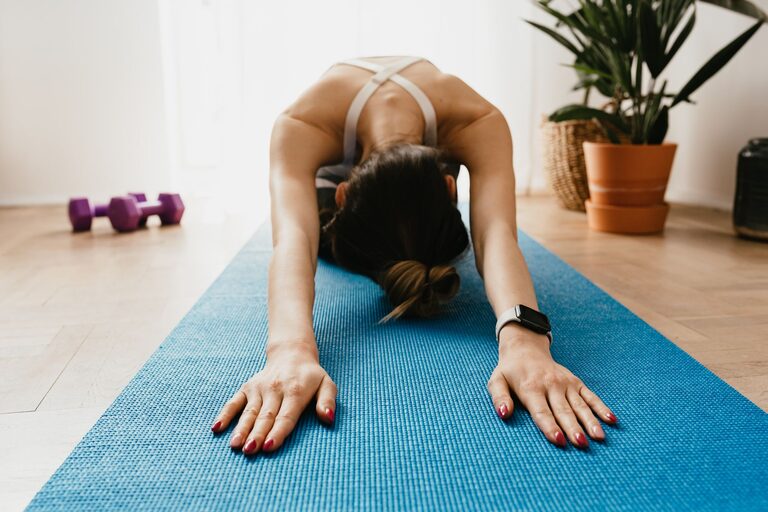
Stretching is a simple yet effective way to improve your flexibility, reduce muscle tension, and promote overall well-being. You don’t need fancy equipment or a gym membership to begin stretching—just a little space at home and some time. This guide is designed for beginners looking to start a safe and effective stretching routine from the comfort of their own home.
Why Stretching Matters
Before diving into the stretches themselves, it’s helpful to understand why stretching is important:
– Improves Flexibility: Increasing the range of motion in your joints can help with daily activities and reduce injury risk.
– Enhances Blood Flow: Stretching boosts circulation, which helps muscles recover and reduces stiffness.
– Relieves Stress: Gentle stretching can calm your mind and relax muscles, contributing to lower stress levels.
– Supports Posture: Regular stretching helps correct muscle imbalances that might cause poor posture.
Preparing to Stretch
To get the most out of your stretching routine and avoid injury, here are some preparation tips:
– Choose a Comfortable Space: Find a quiet spot at home with enough room to move freely, such as a living room or bedroom.
– Wear Comfortable Clothing: Loose or stretchy clothes that allow movement are best.
– Warm Up Lightly: Stretching cold muscles can cause strain. Walk around or do gentle movements for 5 minutes before stretching.
– Use a Mat: An exercise or yoga mat provides cushioning and prevents slipping.
Basic Stretching Guidelines
For beginners, following these general rules will make stretching more effective and safer:
– Hold Each Stretch for 20–30 Seconds: This allows muscles to relax and lengthen.
– Breathe Deeply and Evenly: Don’t hold your breath while stretching.
– Stretch Both Sides Equally: If you stretch your right leg, follow with the left.
– Never Stretch to the Point of Pain: Mild discomfort is okay, but sharp pain means ease up.
– Be Consistent: Try to stretch at least 3–4 times a week for noticeable benefits.
Beginner-Friendly Stretching Routine
Here’s a straightforward routine targeting major muscle groups. You can do this routine in about 15 minutes.
1. Neck Stretch
– Sit or stand upright.
– Gently tilt your head toward your right shoulder until you feel a stretch on the left side of your neck.
– Hold for 20–30 seconds, then switch sides.
2. Shoulder Stretch
– Bring your right arm across your chest.
– Use your left arm to gently pull the right arm closer to your chest.
– Hold the stretch, then switch arms.
3. Triceps Stretch
– Raise your right arm overhead and bend the elbow to reach down your back.
– Use your left hand to gently press the right elbow for a deeper stretch.
– Hold for 20–30 seconds, then switch arms.
4. Chest Stretch
– Stand with your feet shoulder-width apart.
– Clasp your hands behind your back and straighten your arms.
– Lift your hands slightly while opening your chest and squeezing your shoulder blades together.
– Hold the stretch for 20–30 seconds.
5. Seated Hamstring Stretch
– Sit on the floor with your legs extended straight in front of you.
– Slowly lean forward from your hips, reaching toward your toes while keeping your back straight.
– Stop when you feel mild tension in your hamstrings.
– Hold for 20–30 seconds.
6. Quadriceps Stretch
– Stand on your left leg and use a wall or chair for balance.
– Grab your right ankle behind you and gently pull it towards your buttocks.
– Keep your knees close together.
– Hold, then switch legs.
7. Calf Stretch
– Stand facing a wall, place your hands on it for support.
– Step your right leg back, keeping both feet flat and toes pointing forward.
– Bend your left knee and lean into the wall until you feel a stretch in your right calf.
– Hold and then switch legs.
8. Lower Back Stretch (Child’s Pose)
– Kneel on the floor and sit back onto your heels.
– Reach your arms forward on the floor, lowering your chest toward the ground.
– Relax your neck and shoulders.
– Hold for 30 seconds or longer if comfortable.
Tips for Staying Motivated
– Set a Routine: Stretch at the same time each day to build a habit.
– Use Reminders: Set phone alarms or leave notes to encourage stretching breaks.
– Track Your Progress: Notice improvements in flexibility or how you feel afterward.
– Mix It Up: Add new stretches gradually to keep things interesting.
– Listen to Your Body: Adjust intensity based on how you feel each day.
When to Be Cautious
While stretching is generally safe, certain conditions may require special care:
– If you have muscle or joint injuries, consult a healthcare professional before starting.
– Avoid bouncing or jerky movements during stretches.
– Stop immediately if you feel sharp or severe pain.
Final Thoughts
Stretching at home is a convenient way to enhance your flexibility, improve circulation, and reduce stress. With just a few minutes and simple moves, beginners can create a lasting habit that supports their overall health. Start slow, stay consistent, and enjoy the benefits of a more flexible and relaxed body.
Remember, the key is consistency and listening to your body. Happy stretching!