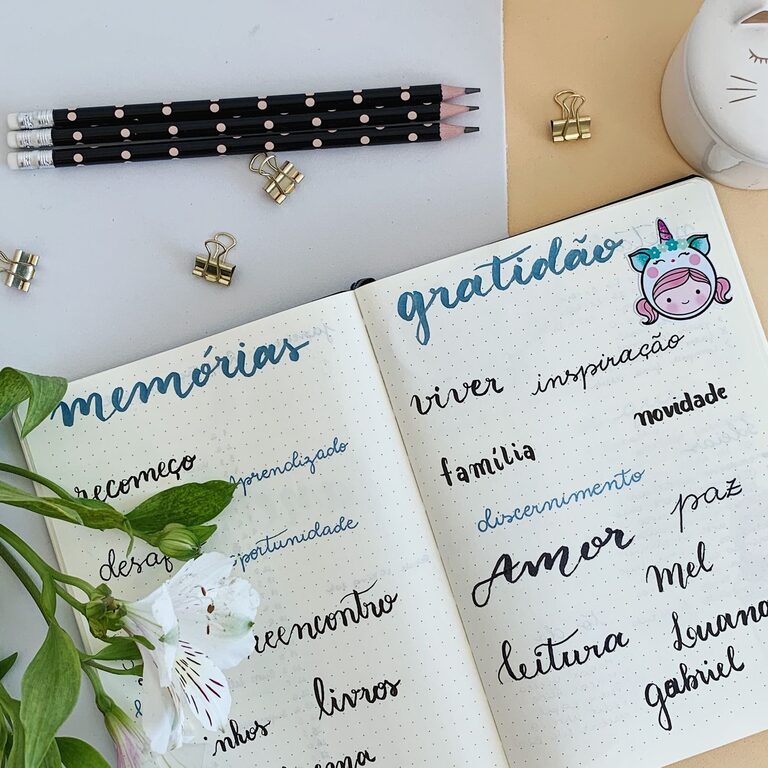

Journaling is more than just putting pen to paper; it’s a powerful tool for gaining clarity and sharpening focus. Whether you’re trying to organize your thoughts, reduce mental clutter, or set clear goals, journaling offers a structured way to explore your mind and unlock your potential.
In this guide, we’ll walk you through how to journal effectively for clarity and focus, including practical tips and methods you can start using today.
Why Journal for Clarity and Focus?
Many of us feel overwhelmed by the constant flow of thoughts, tasks, and distractions. Journaling helps by externalizing your mental noise, making it easier to understand what’s truly important. It encourages mindfulness and intentional thinking, which can lead to better decision-making and increased concentration.
Getting Started: Choosing Your Journal and Tools
You don’t need anything fancy to begin journaling—just a notebook and a pen will do. However, choosing what feels comfortable and accessible for you makes the process more enjoyable.
– Paper journal: A physical notebook can be satisfying to write in and less distracting than digital devices.
– Digital apps: If you prefer typing, apps like Evernote or Day One offer features like reminders and organization.
– Mix it up: Some people use a combination, writing by hand for reflection and digital tools for quick notes.
Setting Up a Journaling Routine
Consistency helps build journaling into a habit that supports clarity and focus. Here are some tips:
– Pick a time: Morning journaling can help set your intentions for the day, while evening journaling allows reflection on what worked and what didn’t.
– Start small: Aim for 5 to 10 minutes daily to keep it manageable.
– Create a cozy space: A quiet, comfortable spot encourages regular writing.
Journaling Techniques for Clarity and Focus
1. Morning Pages
Popularized by Julia Cameron’s book The Artist’s Way, morning pages involve writing three pages of stream-of-consciousness thoughts first thing in the morning. This practice clears mental clutter and reveals underlying concerns or ideas.
How to do it:
– Write freely without editing or censoring.
– Don’t worry about grammar or style.
– Focus on getting all thoughts onto the page.
2. Lists and Brain Dumps
When your mind feels overwhelmed, a brain dump can help. Simply list everything that’s on your mind—tasks, worries, ideas.
Benefits:
– Frees mental space.
– Highlights priorities.
– Reduces anxiety.
3. Goal Setting Journals
Writing down goals helps clarify what you want and tracks your progress.
Try this method:
– Start each entry by stating a clear goal.
– Break the goal into actionable steps.
– Reflect regularly on your progress.
4. Gratitude Journaling
Gratitude journaling focuses your mind on positive aspects, which can improve focus and reduce stress.
How to practice:
– List 3 things you’re grateful for each day.
– Be specific to increase impact.
5. Reflective Journaling
At the end of the day or week, reflect on your experiences, feelings, and lessons learned.
Questions to explore:
– What went well today?
– What challenges did I face?
– What can I improve tomorrow?
Tips for Effective Journaling
– Be honest: Your journal is for your eyes only, so write without judgment or self-censorship.
– Use prompts: If you’re stuck, use prompts like “What is distracting me right now?” or “What do I need to focus on?”
– Review regularly: Occasionally revisit past entries to notice patterns and growth.
– Combine with mindfulness: Pair journaling with deep breathing or meditation to deepen clarity.
– Stay flexible: Adjust your journaling style as your needs evolve.
Common Challenges and How to Overcome Them
– Writer’s block: Start with a simple sentence or list items to build momentum.
– Inconsistency: Set reminders or pair journaling with a daily ritual like coffee or tea.
– Overwhelming emotions: If journaling feels too intense, try focusing on positive experiences or use guided prompts.
Final Thoughts
Journaling is a versatile and accessible way to enhance clarity and focus in your life. By dedicating a few minutes each day to this practice, you can better understand your thoughts, set meaningful goals, and develop a calmer, more focused mind. Remember, there’s no “right” way to journal—what matters most is that it works for you.
Start today, and watch how the simple act of writing can bring clarity and focus into your life.